As part of the J. Paul Getty Museum’s “New Archaeology of Ancient Thrace” lecture series on April 28, 2025, Dr. Despoina Tsiafaki gave a lecture entitled “The Archaeological Heritage of Aegean Thrace”. For more information, follow the link: https://www.getty.edu/calendar/archaeology-ancient-thrace/
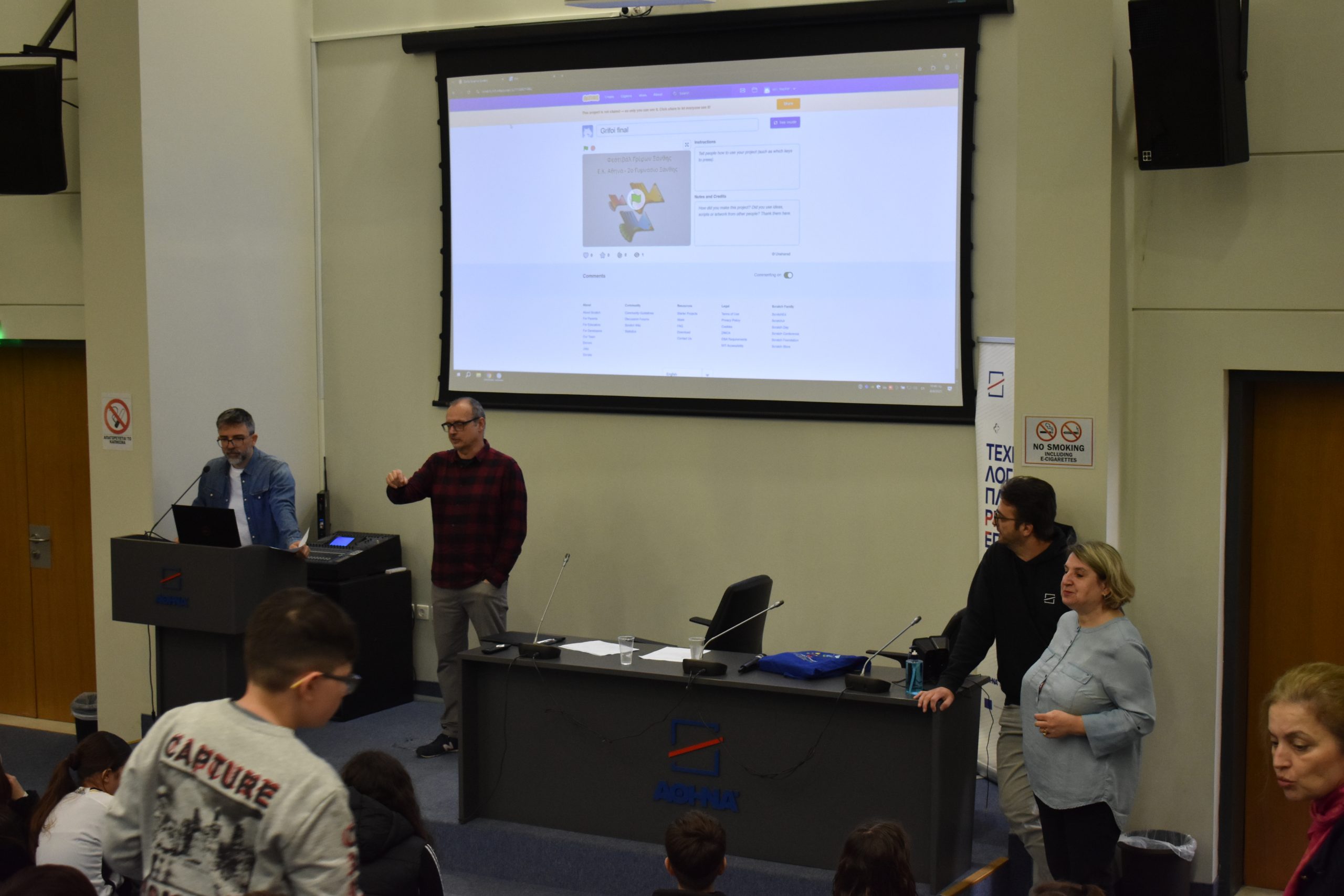
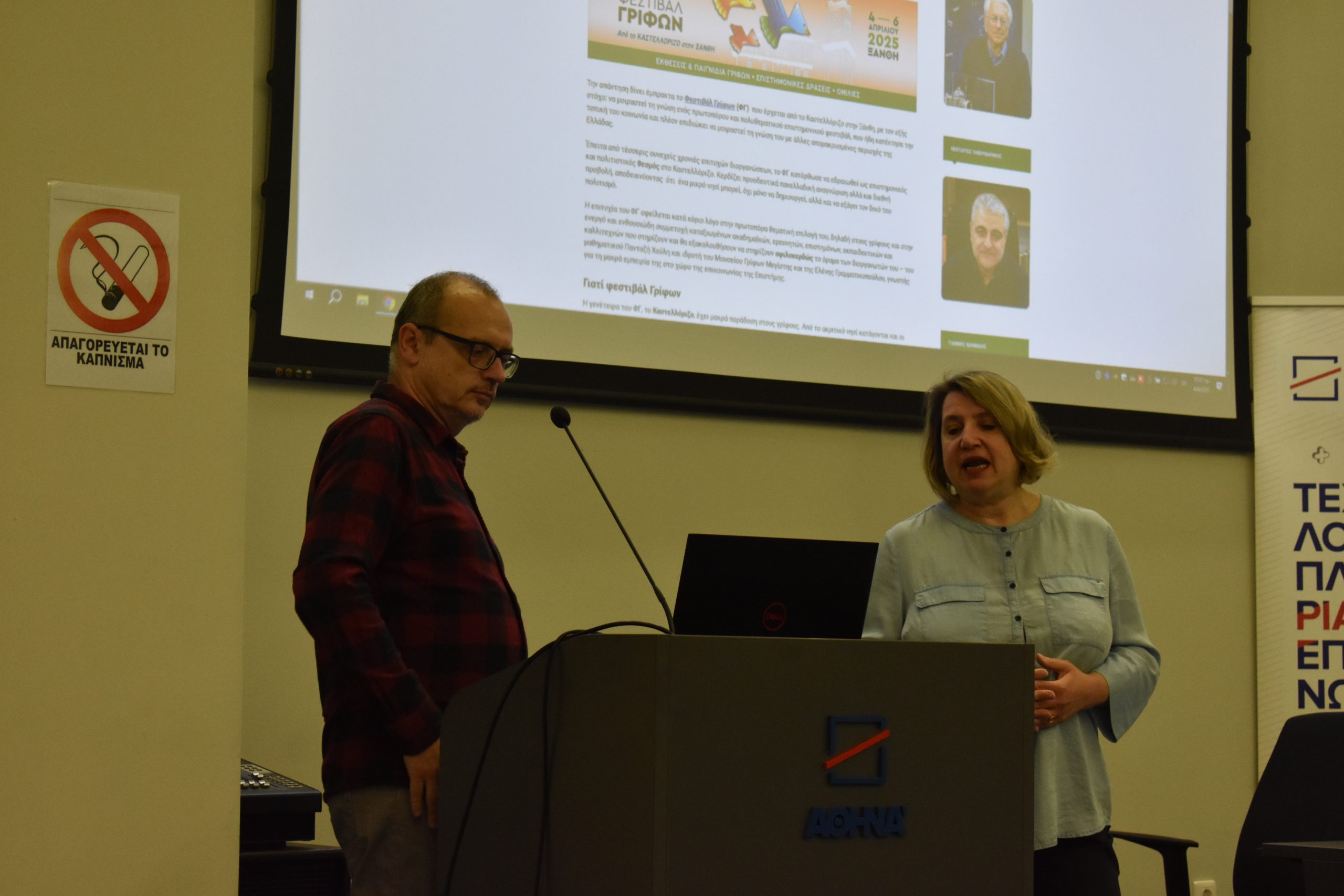
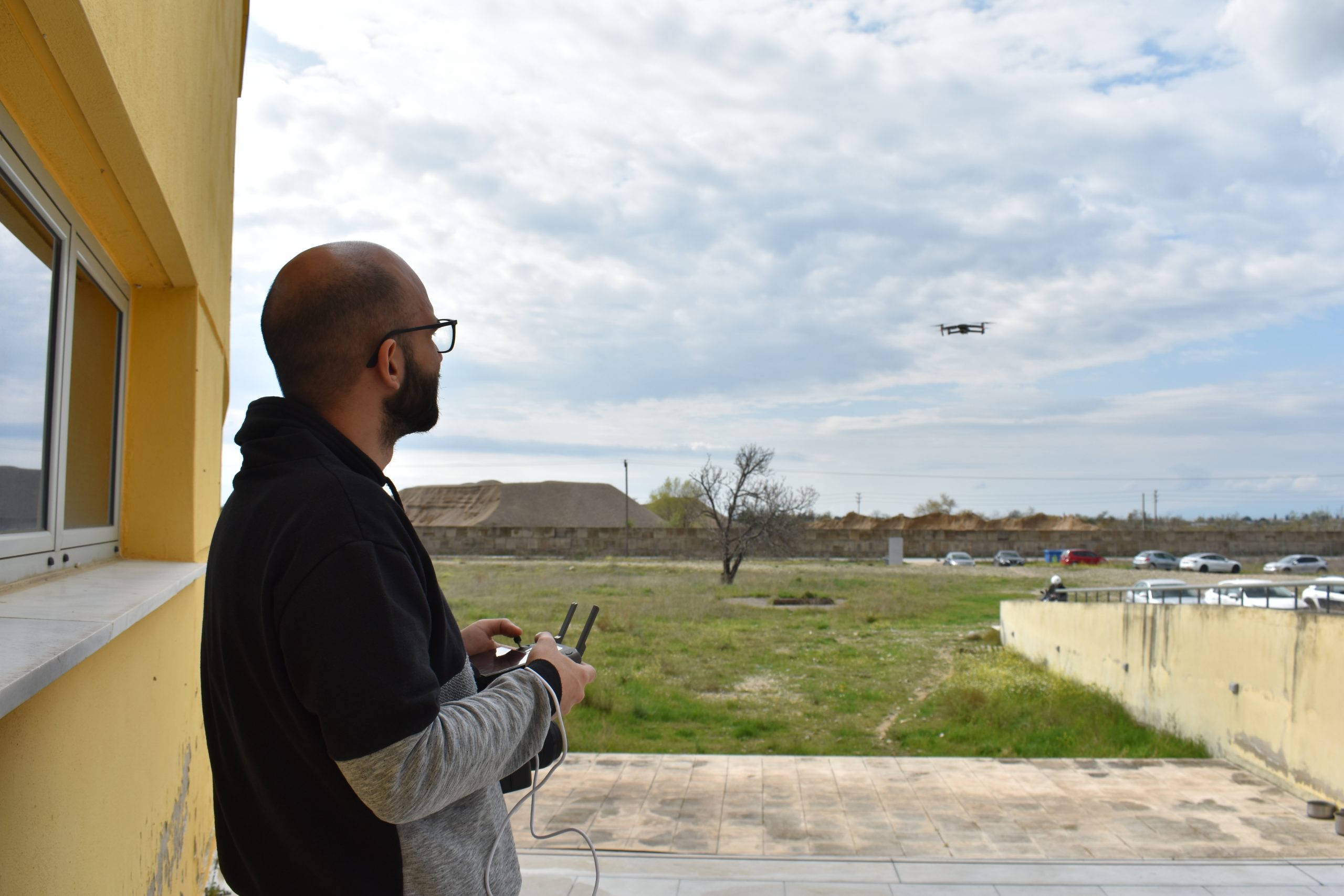
With speeches, workshops, scientific activities and live interaction with students and audiences of all ages, the 1st Xanthi Puzzle Festival was completed, which lasted from April 4 to 6, 2025 and took place at the Athena Research Center (Xanthi Division), at the Multiplex of Art and Thought of Xanthi, at the Old City Hall of Xanthi, at the “Odysseas” Mobile Education Unit in the central Square as well as at the “P” Tobacco Warehouse.
The Puzzle Festival came from Kastellorizo to Xanthi, with the following goal: to share the knowledge of a pioneering and multi-thematic scientific festival, which has already conquered its local community and now seeks to share its knowledge with other remote areas of Greece.
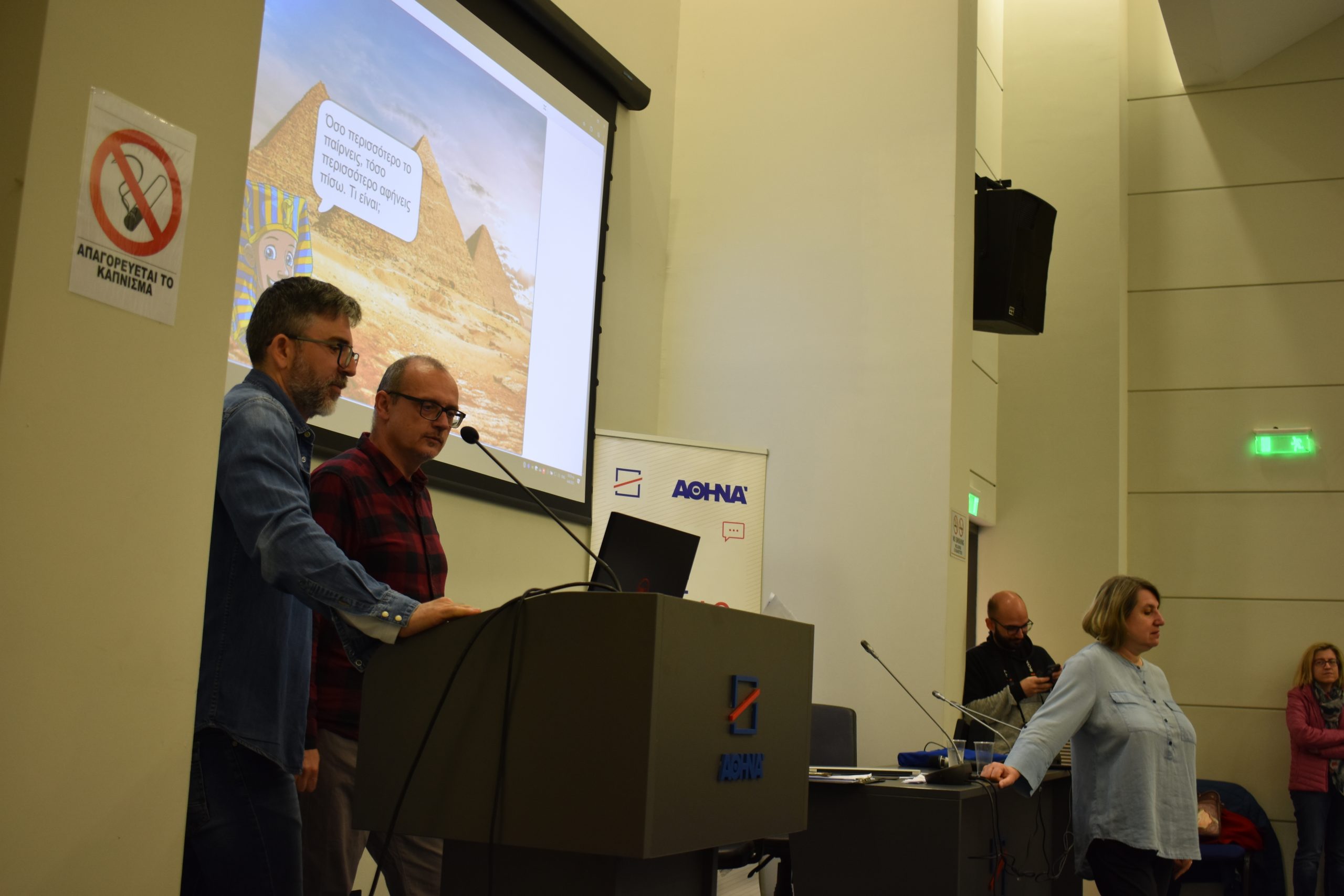
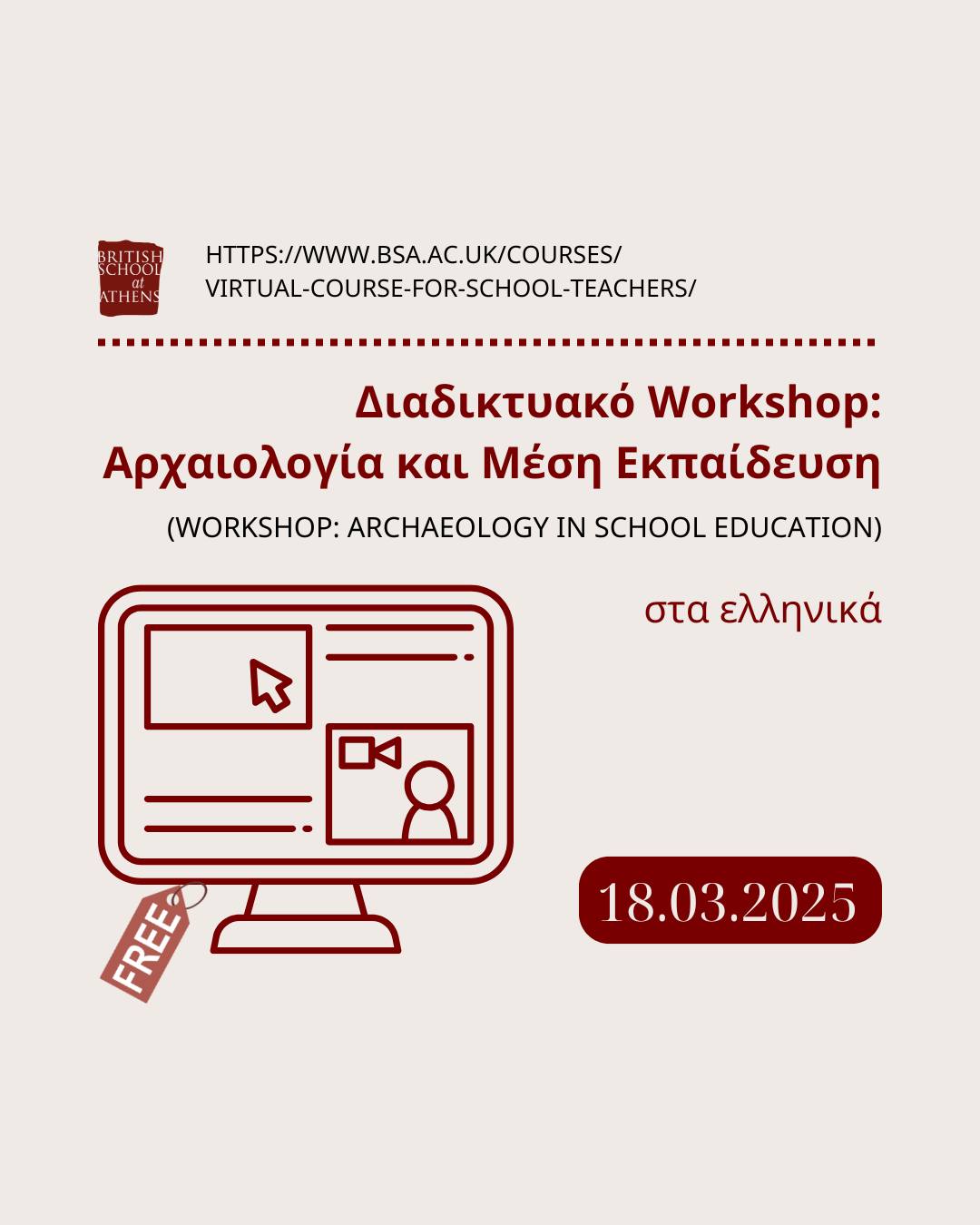
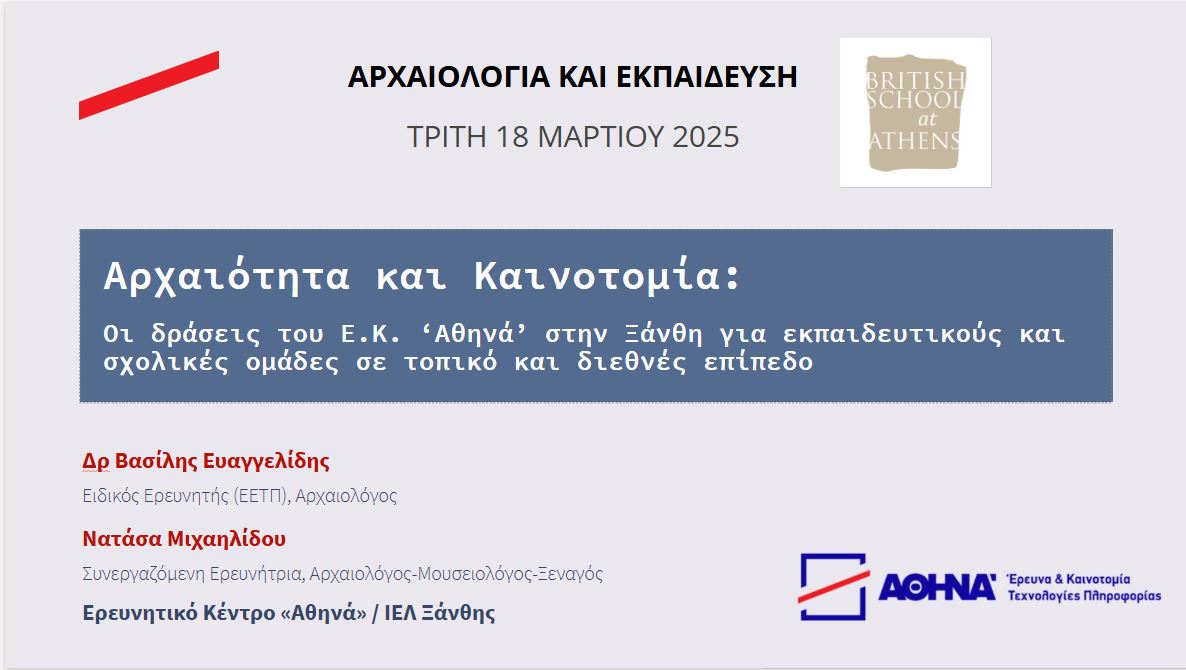
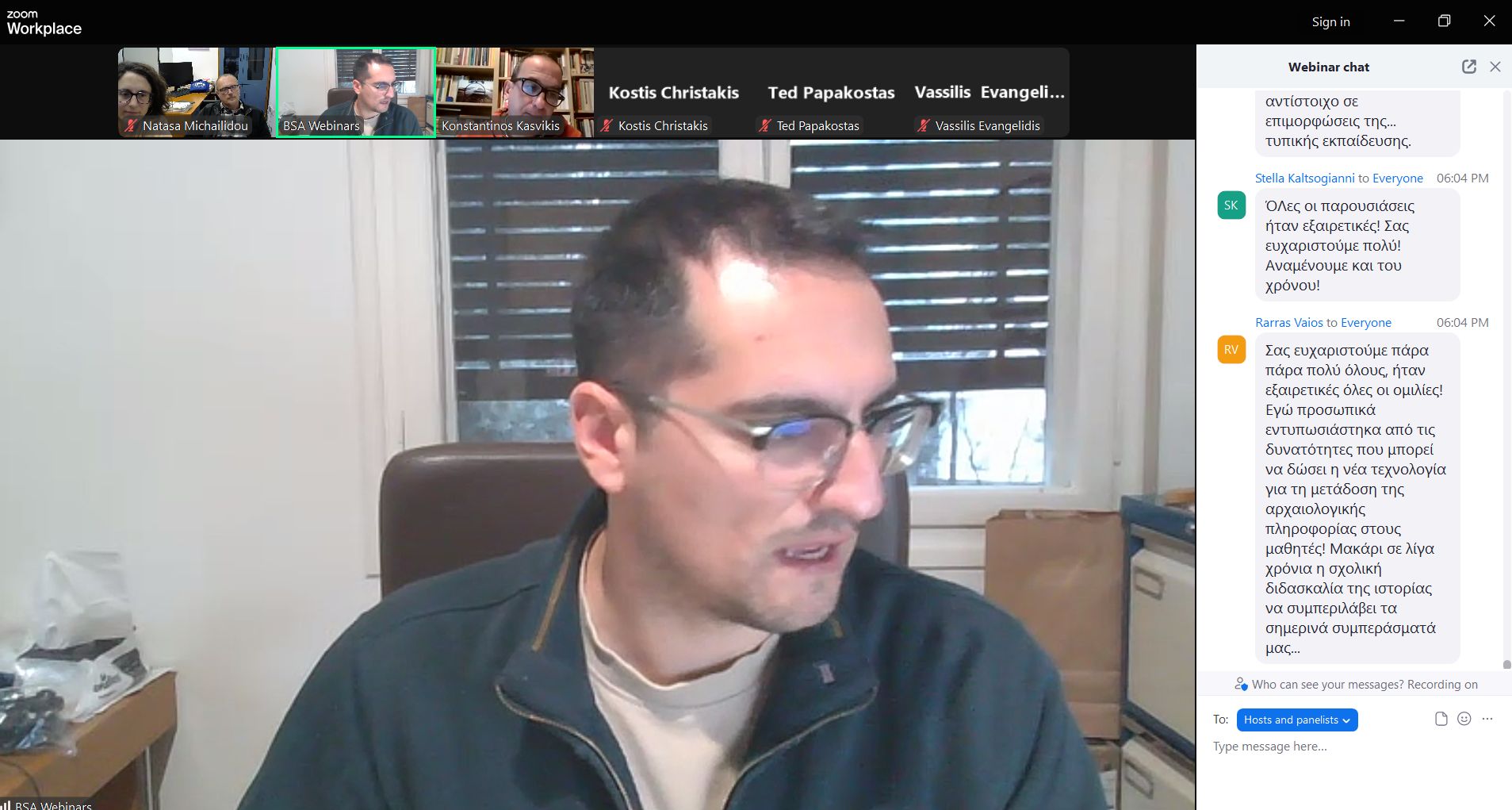
The department participated in the British School of Athens workshop entitled “Archaeology and Education”, with the speech “Antiquity and Innovation: The actions of the ‘Athena’ RC in Xanthi for teachers and school groups at local and international level” by Dr. Vasilis Evangelidis and Natasa Michailidou. This program is aimed at primary and secondary school teachers who teach ancient and Byzantine history, as well as teachers who have no experience teaching ancient history.The workshop took place on Tuesday, March 18, 2025.
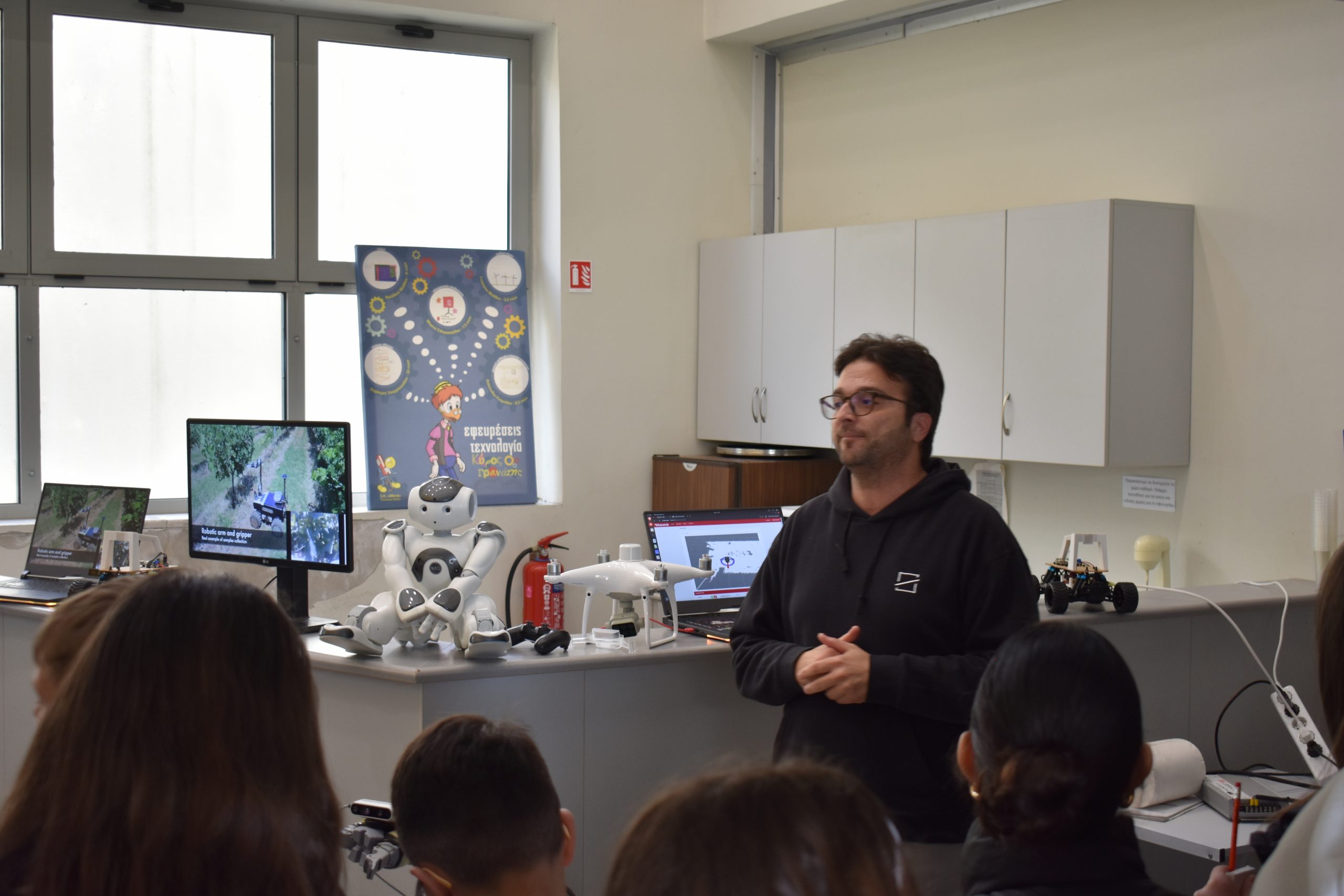
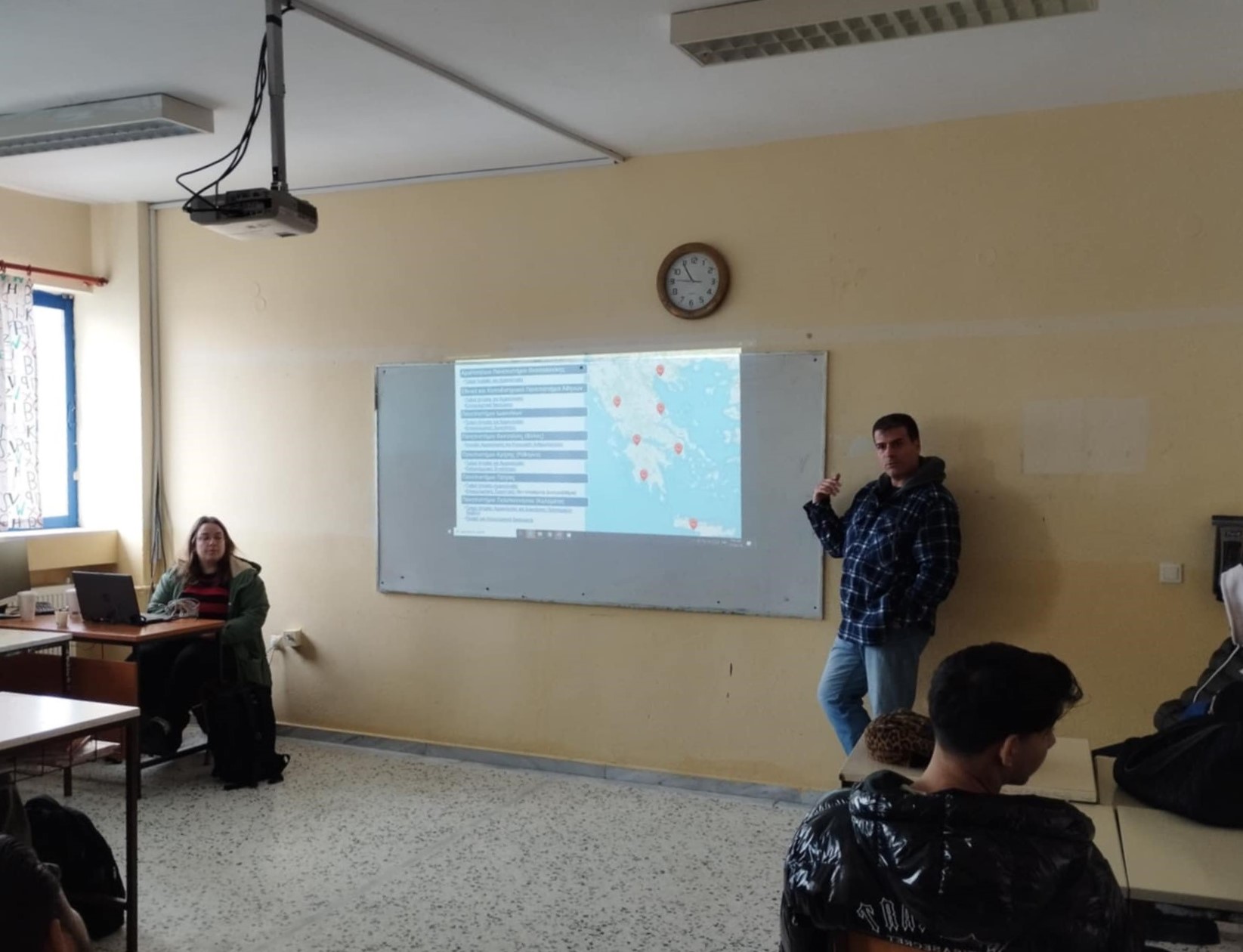
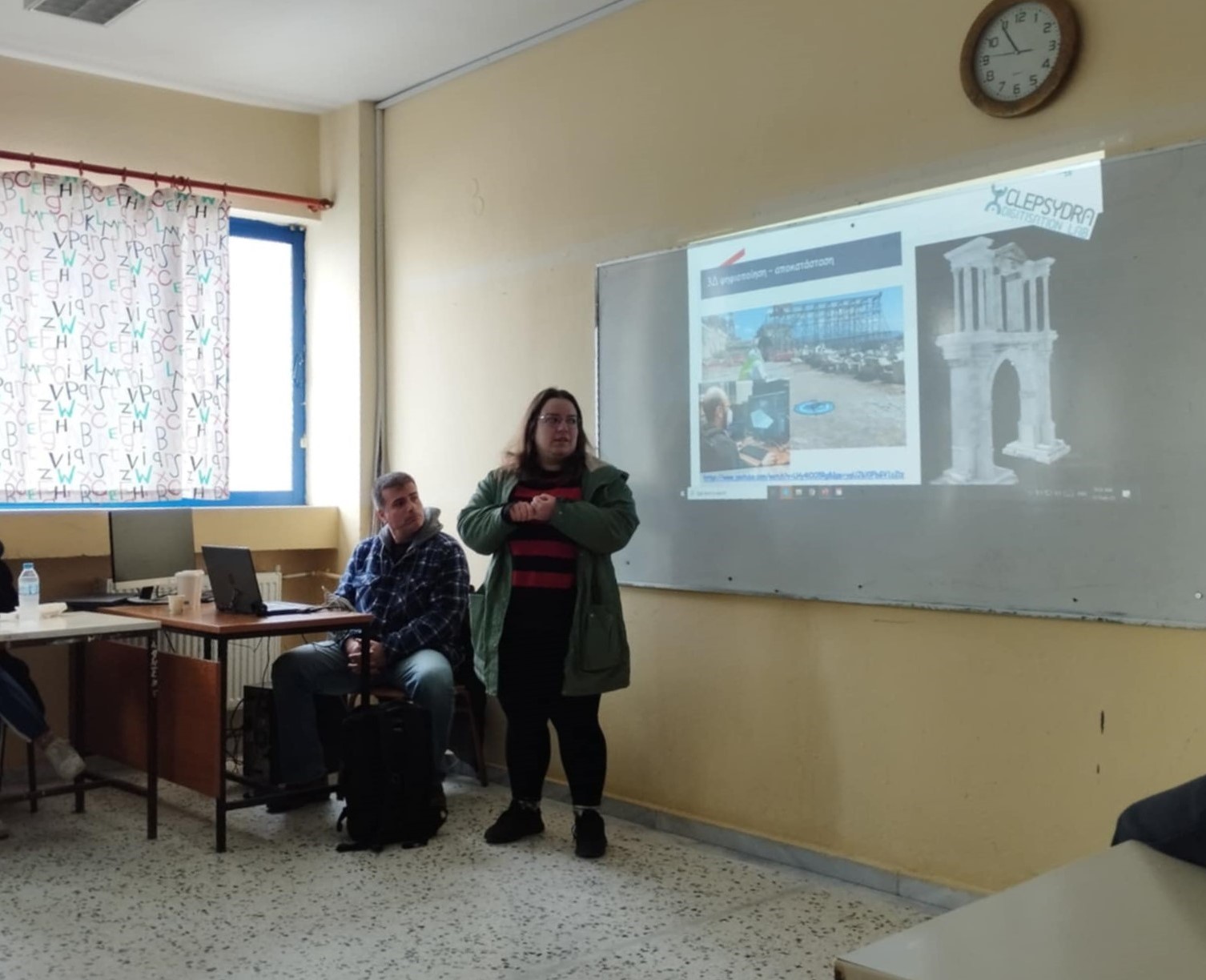
On February 27th, members of Dr. Despoina Tsiafaki’s team, Ioannis Mourthos and Meliana Karta, visited the 8th High School of Drosero in the Municipality of Xanthi as part of the students’ professional orientation and presented the department’s work, focusing on the applications of new technologies in culture.
Thursday, February 20, 2025 11:30 AM – 12:45 PM (Greece Time) Online event via Zoom
How can digital technologies transform archaeological research and cultural heritage? What are the latest innovations combining archaeology with machine learning and artificial intelligence, digitization, and cultural heritage reconstruction in two and three dimensions, specialized IT applications for excavations, and virtual and augmented reality applications for cultural and educational purposes?